In the world of baking, the choice of fat type greatly determines the final texture and taste of a dish. One ingredient that often appears in recipes, but is often misunderstood, is shortening. Do you know the function of shortening? This article will thoroughly discuss what shortening is, its functions, and how it differs from butter and margarine. Check out the full discussion below.
What is Shortening?
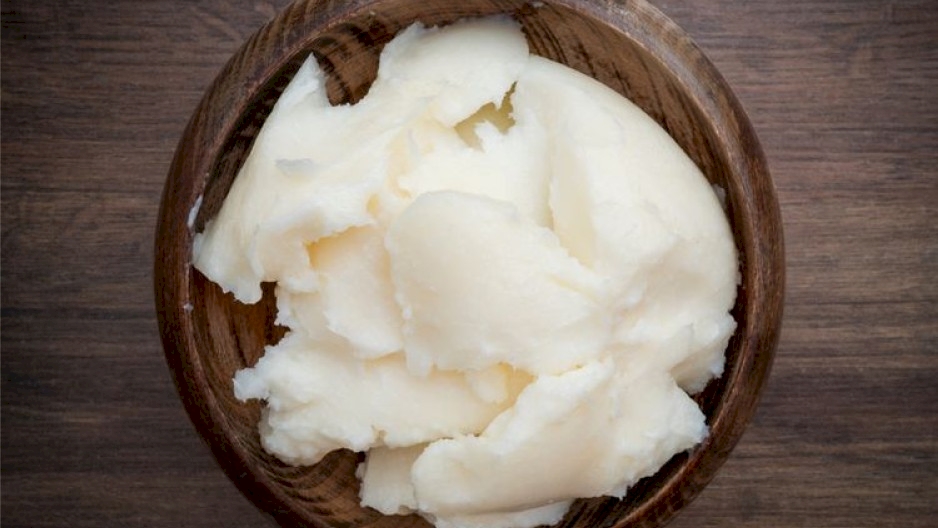
Shortening is a type of solid fat made from 100% vegetable oil that has undergone hydrogenation. Unlike butter or margarine, which still contain water, shortening consists purely of fat without any water or milk solids.
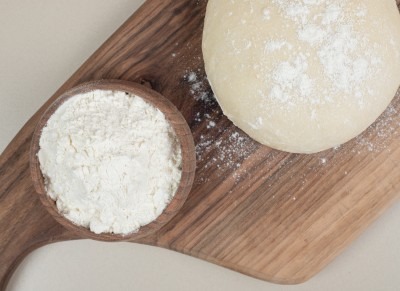
The term “shortening” comes from its ability to break the gluten chains in flour dough (shortening gluten fibers), resulting in a crispy and soft texture, rather than a chewy one. In Indonesia, shortening is more commonly known as white butter.
The Function of Shortening in Cooking
Shortening plays a crucial role, especially in baking and frying. Here are its main functions:
- Providing a tender texture: By inhibiting gluten formation, shortening makes cakes, cookies, and pie crusts very crispy and crumbly.
- High Smoke Point: Since it contains no water, shortening is very stable at high temperatures, making it an ideal choice for deep frying to produce crispier, less oily results.
- Maintains Dough Shape: Shortening has a higher melting point than butter. This prevents cookies from spreading excessively when baked in the oven.
- Extends Shelf Life: Products that use shortening tend to last longer due to their stable fat content and minimal moisture.
Types of Shortening
Not all shortenings are the same. In general, there are three types that are commonly used:
- All-Purpose Shortening: The most common type, it is unscented and used for various baking and frying purposes.
- High-Ratio Shortening: Contains additional emulsifiers that allow the dough to absorb more sugar and liquid. It is ideal for making smoother and more stable buttercream.
- Liquid Shortening: It is in liquid form and is typically used in commercial bread or cake making that requires quick mixing.
The Difference Between Shortening, Butter, and Margarine
The fundamental difference lies in their composition and end result. Shortening contains 100% fat without water, resulting in the crispiest texture and stability at room temperature. Butter, on the other hand, contains water and milk fat, which gives it a fragrant aroma but makes it melt easily. Meanwhile, margarine is vegetable oil mixed with water and flavorings; although cheaper, margarine cannot provide the same level of crispness as shortening due to its water content.
Conclusion
Shortening is a smart solution for those who want perfectly crispy, stable, and long-lasting textures without altering the original flavor profile of other ingredients. Its role in inhibiting gluten formation and its high smoke point make shortening an irreplaceable ingredient in making high-quality pastries, cookies, and fried foods.
For optimal baking and frying results, make sure you use high-quality products like Risu PV Shortening. With its stable formulation and smooth texture, Risu PV Shortening is designed to provide maximum volume to dough and consistent crispiness in every bite. Elevate the quality of your culinary creations with full confidence in Risu's excellence!