Today’s consumers are not only looking for alternatives to dairy butter and dairy products, but also want products that offer the same benefits without the higher price tag. So, how can Flexibetter Butter (Dairy Butter Equivalent) be a solution for the food industry in the future?
According to Mintel, the plant-based food market is projected to experience significant growth. Globally, the market was valued at $29 billion in 2020 and is expected to surge to $160 billion by 2030. This reflects growing interest in plant-based diets.
Within this trend, plant-based dairy alternatives are the primary drivers of change. Products such as non-dairy butter have even seen a 45% year-over-year increase in retail sales. However, as demand rises, so do the challenges. How can manufacturers adapt without compromising on performance, cost, and sustainability?
The Main Challenges in Using Butter Equivalent
For food manufacturers, replacing butter with a butter substitute isn’t as simple as just swapping out an ingredient. There are three main challenges to overcome:
1. Product Performance
Many plant-based butter substitutes still struggle to replicate the taste, texture, and functionality of dairy butter.
Research shows that:
- Taste is one of the main reasons consumers reject plant-based products
- 74% of consumers in the United States would still be willing to buy non-dairy bakery products if they tasted the same or similar to real butter
In other words, sensory quality remains a key factor in the success of butter equivalents.
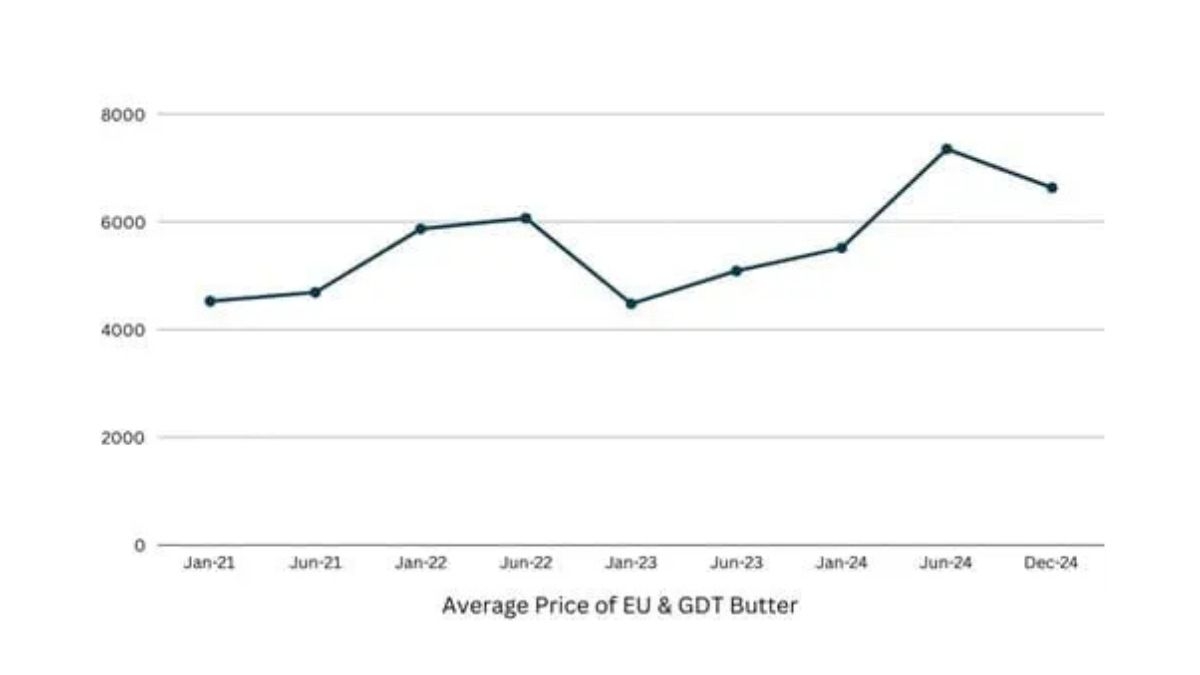
2. Price Volatility
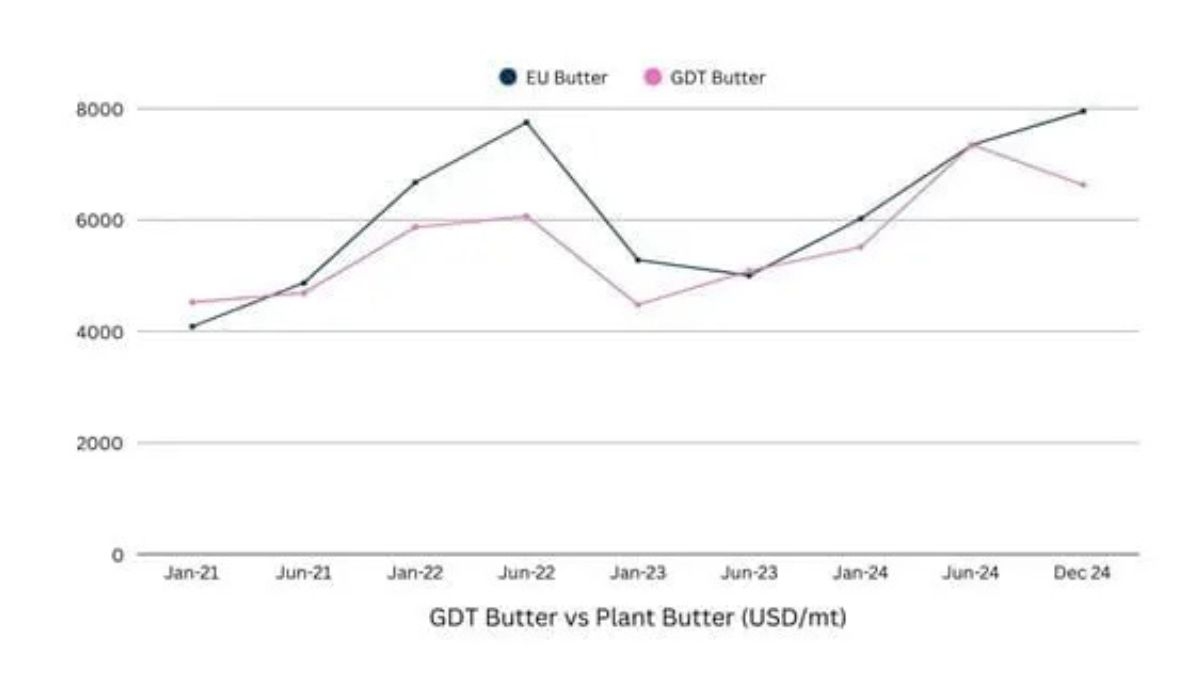
The price of dairy butter has fluctuated significantly in recent years due to:
- Climate change
- Geopolitical tensions
- Supply chain disruption
In Asia, butter prices have risen by as much as 37% over the course of a year (2023–2024). This opens up opportunities for butter equivalents as a more stable solution.
3. Pressure for Sustainability
The dairy industry faces significant pressure regarding:
- Methane emissions
- Land and water use
- Pollution from animal feed
Consumers and regulators are now demanding transparency and a reduction in the carbon footprint. This is where butter equivalents offer a more environmentally friendly solution.
A New Era: Butter Equivalent Innovation
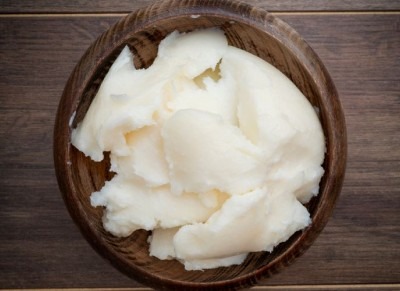
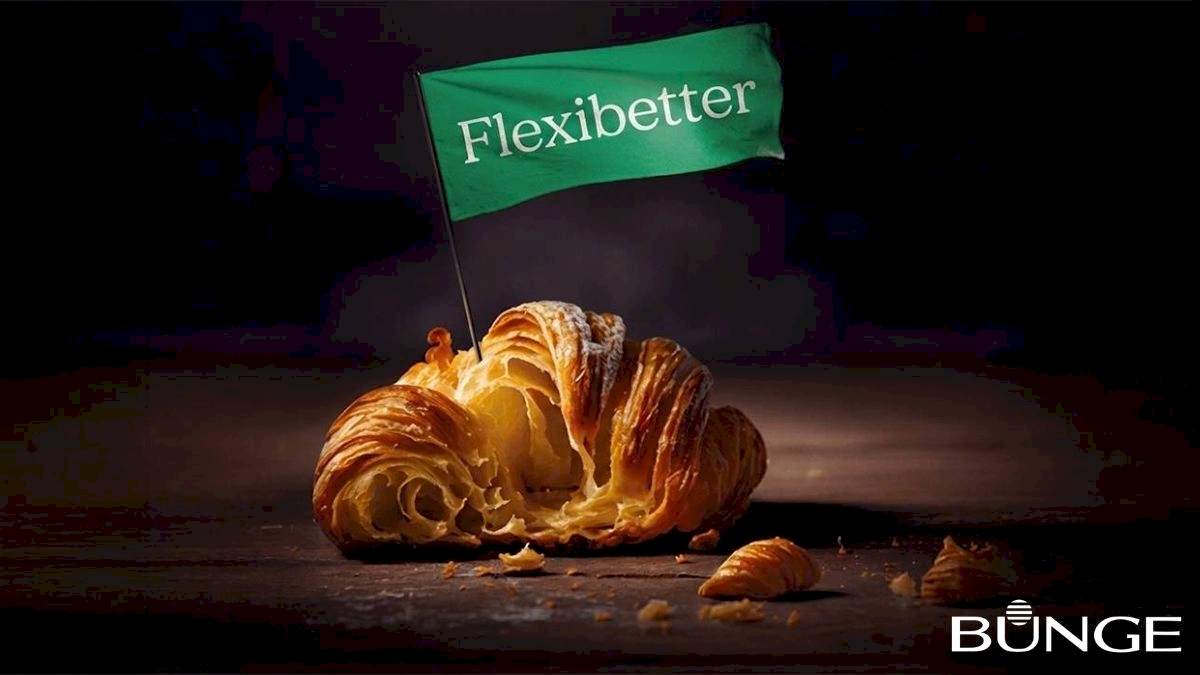
One of the latest innovations is Bunge FlexiBetter, a dairy butter equivalent designed to address three key challenges: performance, cost, and sustainability.
The Benefits of Modern Butter Equivalents
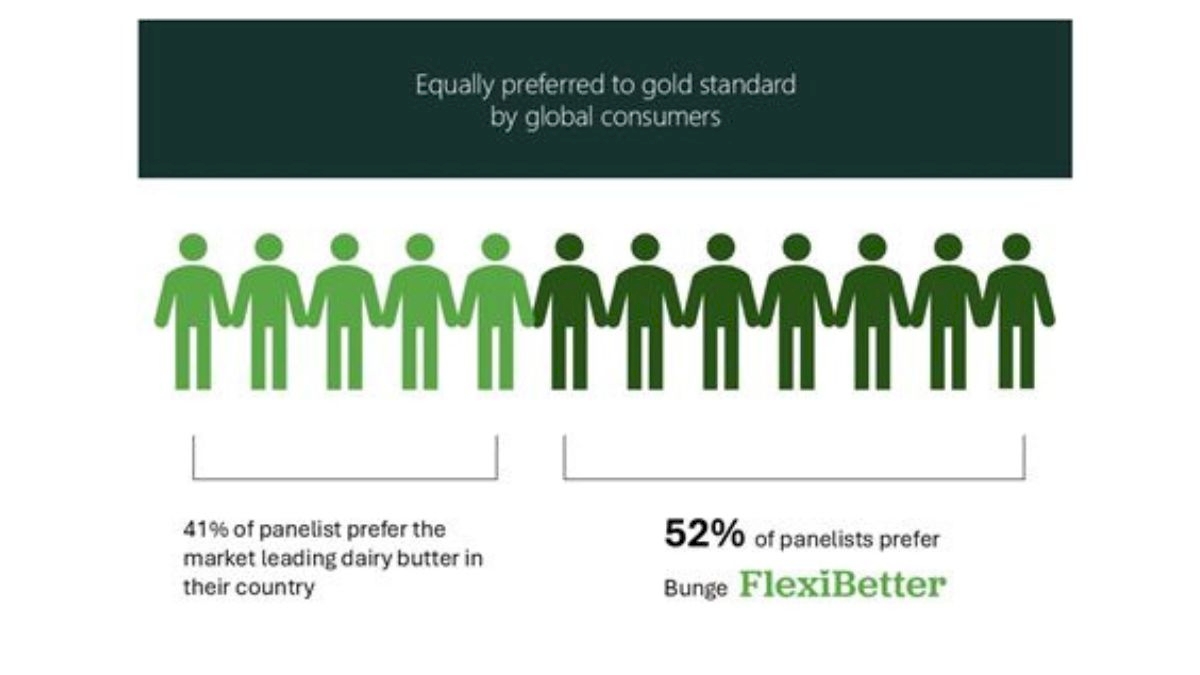
1. Baking Performance Equivalent to Real Butter
Butter equivalents like FlexiBetter can:
- Produces a crispy texture
- Gives croissants a flaky crust
- Maintains the tenderness of cakes and cookies
In other words, its performance rivals or even matches that of dairy butter in baking applications.
In addition, it offers high versatility:
- Can be used in pastries
- Suitable for sauces, gravies, and foodservice
2. Cost Efficiency
Compared to dairy butter, butter equivalents offer:
- More stable prices
- Lower production costs
- A more consistent supply
This is particularly important for large-scale manufacturers who require price and supply certainty.
3. Better Sustainability
Plant-based butter equivalents offer several advantages:
- Lower greenhouse gas emissions
- Smaller carbon footprint
- More environmentally friendly
This aligns with the global trend toward more sustainable products.
Butter Equivalents: The Future of the Food Industry
The shift to plant-based ingredients is not just a passing trend, but a fundamental shift in consumer preferences and the needs of the planet.
For manufacturers, the question is no longer whether to make the switch, but how to do so effectively.
Butter equivalent (DBE) offers a solution:
- Uncompromising quality
- Greater cost efficiency
- Lower environmental impact
With ongoing innovation, butter equivalent is becoming a scalable and future-proof solution for the global food industry.
References
- Mintel Food & Drink. Private label: convenience matters. Katya Witham, Associate Director. July 22, 2024.
- Euromonitor. Dairy Products and Alternatives: Half-Year Update H1 2024.
- Global Dairy Trade.
- Euromonitor. Plant-Based Foods Face Key Challenges.
This article is intended for general educational and informational purposes only.