Waffles have long been synonymous with breakfast menus or sweet snacks served with syrup and butter. However, behind their simple shape and distinctive grid pattern, waffles have a long history and an interesting culinary journey. From Europe to Asia, waffles continue to evolve in line with the culture, technology, and tastes of people around the world.
This article will provide a comprehensive overview of what waffles are, their ingredients and production process, the history of waffles, and the various popular types of waffles around the world.
What is a Waffle?
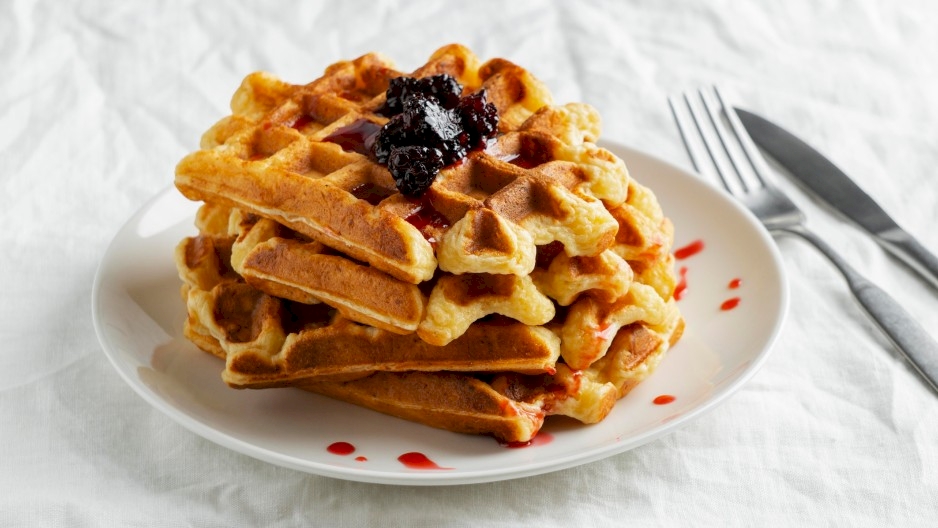
Waffles are a food made from flour batter that is cooked using a special tool called a waffle iron. This tool has two plates with a grid pattern that gives waffles their distinctive visual appearance and texture.
Unlike pancakes or crepes, waffles have:
- A crispier outer texture
- A soft interior
- A porous surface that can hold sauce, syrup, or toppings
Because of these characteristics, waffles are not only suitable as a breakfast menu, but also as a dessert, snack, or savory dish (savory waffle).
History of Waffles
Originating in medieval Europe, waffles were originally cooked using patterned iron plates over an open fire, with the name coming from the Dutch word “wafel,” meaning honeycomb. The dish then evolved into a festival food in Belgium and France, giving rise to stroopwafels in the Netherlands, and eventually becoming a popular breakfast item in the United States since the 18th century. Today, waffles have spread globally through various cultural adaptations and flavor innovations.
Basic Waffle Ingredients
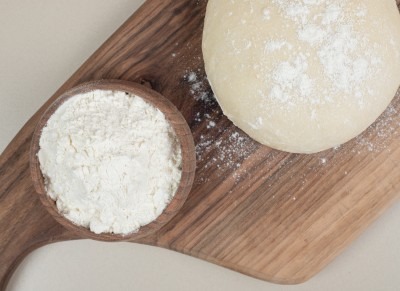
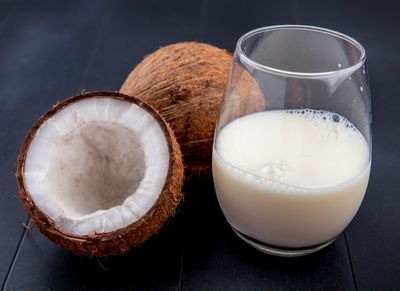
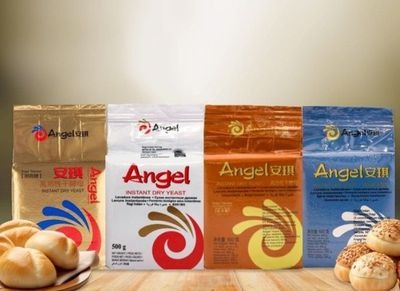
The basic ingredients of waffles consist of wheat flour, eggs, milk, sugar, fat (butter/oil), and leavening agents such as yeast or baking powder, which work together to produce a crispy texture on the outside but soft on the inside. Although the classic composition is simple, waffles have now been transformed to follow lifestyle trends through variations such as whole wheat, gluten-free, vegan, and the use of alternative ingredients such as potatoes and rice.
Characteristics of Waffles
Originating in medieval Europe, waffles were originally cooked using patterned iron plates over an open fire, with the name coming from the Dutch word “wafel,” meaning honeycomb. The dish then evolved into a festival food in Belgium and France, giving rise to stroopwafels in the Netherlands, and eventually becoming a popular breakfast item in the United States since the 18th century. Today, waffles have spread globally through various cultural adaptations and flavor innovations.
Types of Waffles Around the World
As it spread globally, the waffle adapted to local tastes and gave rise to a variety of unique variants with diverse textural characteristics:
1. Belgian Waffle (Brussels)
This waffle is widely known for its large size and thickness with deep square holes. Unlike other types, Belgian waffles have a very light and hollow texture because the batter uses yeast or beaten egg whites. Because the batter has a neutral flavor, this type of waffle is perfect when served with whipped cream, fresh fruit, or a sprinkling of powdered sugar to balance the flavor.
2. Liège Waffle
Originating in eastern Belgium, this waffle has a much denser, chewier texture and a rich flavor similar to bread dough. Its main feature is the use of pearl sugar mixed into the batter, which melts when baked and forms a sweet and crispy caramel layer on the outside. Due to its natural caramel flavor, Liège waffles are often enjoyed as a warm snack without any additional toppings.
3. American Waffle
This type is a popular practical modification in the United States that uses baking powder as a leavening agent, resulting in a thinner, denser, yet still soft texture. American waffles have a smaller, denser grid pattern, making them the perfect vessel for holding melted butter and maple syrup. In addition to being a classic sweet breakfast menu item, these waffles are also iconic when paired with fried chicken (chicken and waffles) as a savory dish.
4. Hong Kong Egg Waffle
Known as Gai Daan Jai, this Hong Kong specialty waffle has a unique appearance due to its round bubble shape resembling eggs. The texture is very contrasting, with a crispy exterior and a chewy, soft interior. As a popular street snack, this waffle typically has a strong egg aroma and is served in paper packaging for easy eating on the go.
5. Croffle (Croissant Waffle)
As a rising fusion innovation, croffles are born from butter-layered croissant dough baked using a waffle iron. The result is a unique blend of the flaky and crispy texture characteristic of pastries with an iconic square shape. Croffles are highly popular due to their strong buttery flavor and versatility in serving styles, ranging from chocolate and ice cream to savory combinations such as cheese and smoked meat.
Conclusion
Waffles have evolved far beyond a simple breakfast menu item. With a long history, unique manufacturing process, and variety of types from different countries, waffles have proven themselves to be a culinary icon that remains relevant.
Whether served sweet or savory, traditional or modern, waffles always manage to adapt to the trends and tastes of the times.