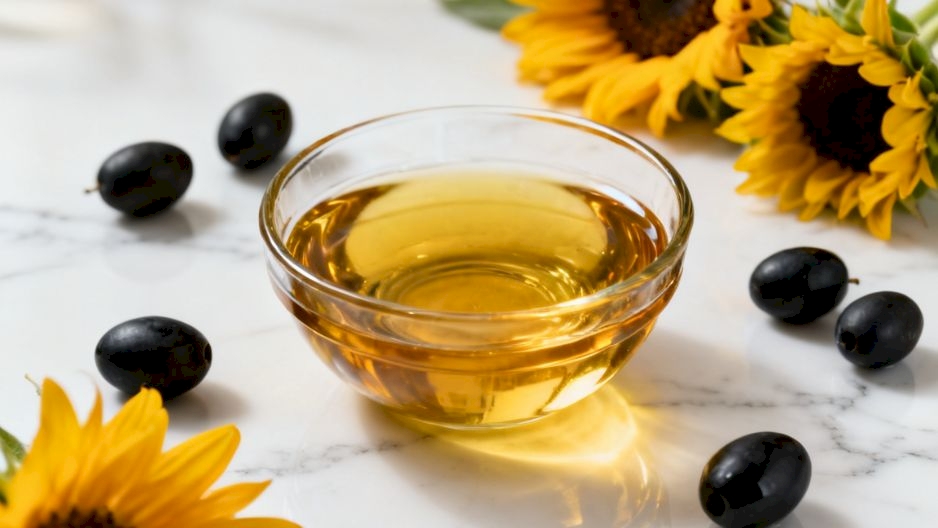
Cooking oil isn't just a cooking ingredient; it can affect the taste, texture, and even nutritional value of the food you serve. Among the many options on the market, two of the most frequently compared are extra virgin olive oil (EVOO) and sunflower oil.
Both are derived from plant sources, and both are claimed to have numerous health benefits. From their production process, nutritional content, to the best way to use them in the kitchen, Extra Virgin Olive Oil and Sunflower Oil are two completely different oils.
What is Extra Virgin Olive Oil?
Extra virgin olive oil, or EVOO, is the highest-grade olive oil produced from the first pressing of olives using the cold press method, without any chemical refining processes. This is what sets it apart from regular olive oil.
This minimal processing preserves its natural ingredients: polyphenols, vitamin E, antioxidants, and high levels of monounsaturated fatty acids (MUFAs). These compounds make EVOO an icon of the Mediterranean diet, which has been shown to be good for heart health.
In terms of taste, EVOO has a strong and distinctive character: slightly bitter, fruity, and sometimes spicy. This indicates that the polyphenol content is still fresh and active.
What Is Sunflower Oil?
Sunflower oil is extracted from sunflower seeds through a pressing process and is usually refined to produce a clear, light, and neutral-flavored oil.
Its main advantage lies in its much higher smoke point, around 225–230°C, making it ideal for high-heat cooking techniques such as frying, sautéing, and baking. Its neutral flavor also doesn't compete with spices or other main ingredients.
Nutritionally, sunflower oil contains vitamin E and polyunsaturated fatty acids (PUFAs), particularly linoleic acid. However, its antioxidant and polyphenol content is far lower than EVOO.
Head-to-head comparison: Extra Virgin Olive Oil vs Sunflower Oil
| Aspect | Extra Virgin Olive Oil | Sunflower Olive Oil |
| Production process | Cold press, no refining | Pressing + refining |
| Smoke point | 160–190°C | 225–230°C |
| Antioxidant content | Very high | Medium |
| Main types of fat | MUFA (monounsaturated) | PUFA (polyunsaturated) |
| Flavor | Strong, distinctive, fruity | Light, neutral |
| Best For | Salad, dressing, finishing | Fried, stir-fried, baked |
| Health Benefits | Very good for the heart | Good, but more limited |
Which is Better?
The answer depends on your needs. If your priority is the health benefits of using it for salads or low-heat dishes, EVOO is the right choice. But if you're sautéing, frying chicken, or baking, sunflower oil is much more practical and safer in terms of smoke point.
Use EVOO if:
- Making salads, bruschetta, or hummus
- Drinking as a finishing touch over pasta, pizza, or soup
- Cooking at low-medium temperatures (light sautés)
- Want to maximize antioxidant benefits
Use Sunflowe Oil if:
- Frying at high temperatures
- Sautéing spices or dishes that require intense heat
- Making cakes or pastries that require a neutral oil
- Cooking in large quantities every day
If the question is "EVOO or sunflower oil for everyday use?", then the answer may not be one or the other, but both.
The concept of blended oils addresses this need. By combining light, high-heat-resistant sunflower oil with antioxidant-rich EVOO, the result is a more versatile oil: it can be used for sautéing and baking, while still providing the health benefits of olive oil.
Borges Blend Sunflower and Extra Virgin Olive Oil combines the lightness of sunflower oil with the polyphenol and antioxidant properties of EVOO in one bottle. It's suitable for a variety of everyday cooking techniques, from sautéing to dressing, without the need to store two separate oils in your pantry.